Medicine · 9 min read
Choosing everyday fats for a heart-healthy eating pattern
A heart-conscious change is often a replacement: decide what will take the place of an ingredient you use regularly.
General adult nutrition education, prepared with AI assistance and independently checked by an AI reviewer. It is not individualized treatment for high cholesterol or another condition. Do not change prescribed medicines or a therapeutic diet on this basis.
Information may contain errors, omissions or outdated guidance. This article is general education, not individual medical or other professional advice. Verify important information before acting and consult an appropriately qualified professional. Never disregard medical advice, delay care or change treatment because of this article. See our accuracy disclaimer and terms.
Start with what goes into your usual meals
Choosing dietary fats can feel more complicated than it needs to be. One conversation praises a particular oil, another warns against all processed foods, and a third treats every gram of fat as something to avoid. A more useful starting point is your own kitchen: what do you spread, pour, cook with and eat repeatedly, and what could reasonably take its place?
Fat has normal roles in the body, including providing energy and helping with the absorption of some vitamins. The American Heart Association distinguishes types of dietary fat and recommends replacing saturated and trans fats with unsaturated fats as part of a healthy pattern. That is different from trying to remove all fat or adding a fashionable ingredient to an otherwise unchanged meal.
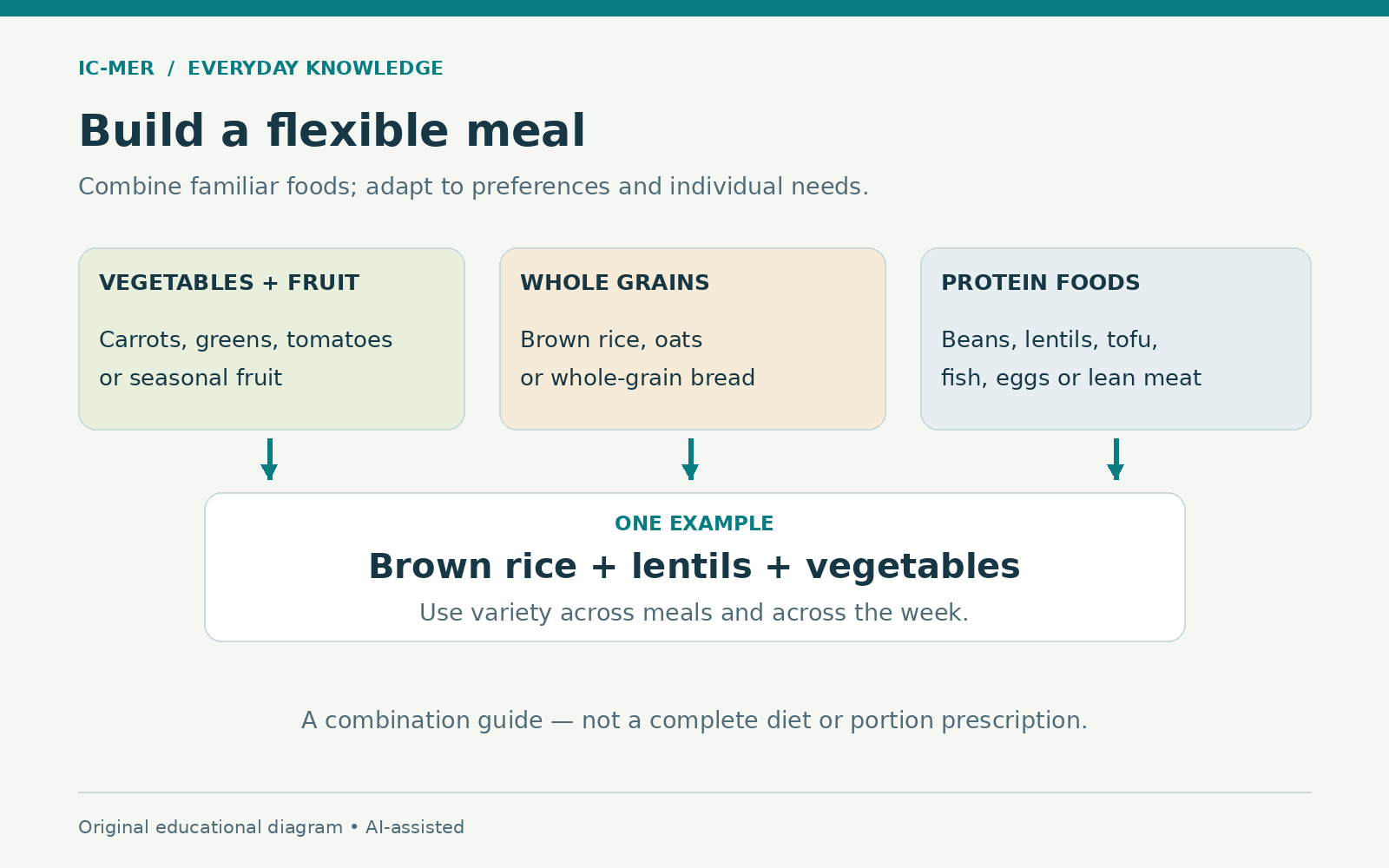
You do not need a cupboard full of specialist products. Start with one meal you make often, such as breakfast toast, a sandwich lunch or a quick evening pasta. Identify the ingredient you would change, choose an alternative you can afford and prepare, and think about the whole meal you want to enjoy. This article offers practical examples, not a personal fat allowance or a prescribed diet.
Sources: [1]
Know the basic distinction without judging every bite
WHO prefers unsaturated fats, found in foods such as fish, nuts, avocado and certain plant oils, over saturated fats. Butter, lard, ghee and tropical oils such as coconut and palm oil are among its examples of saturated-fat sources. Individual foods contain mixtures of fats, so these categories describe their composition rather than assigning foods a moral status.
The distinction matters when choosing a substitute. Coconut oil does not become an unsaturated choice because it comes from a plant, and a product's natural image does not tell you its fat profile. Conversely, a food can contain fat and still fit comfortably in a heart-conscious meal. Look at what the food contributes and what it replaces instead of treating a single marketing word as an answer.
Guidelines use different quantitative targets and contexts. This article follows the shared practical direction of WHO and the American Heart Association on choosing unsaturated replacements; it does not turn any organization's percentage target into a rule for every reader. A person following clinical advice for cholesterol, weight maintenance or another condition may need more specific guidance than a general shopping article can provide.
Sources: [2]
Make a replacement rather than an extra step
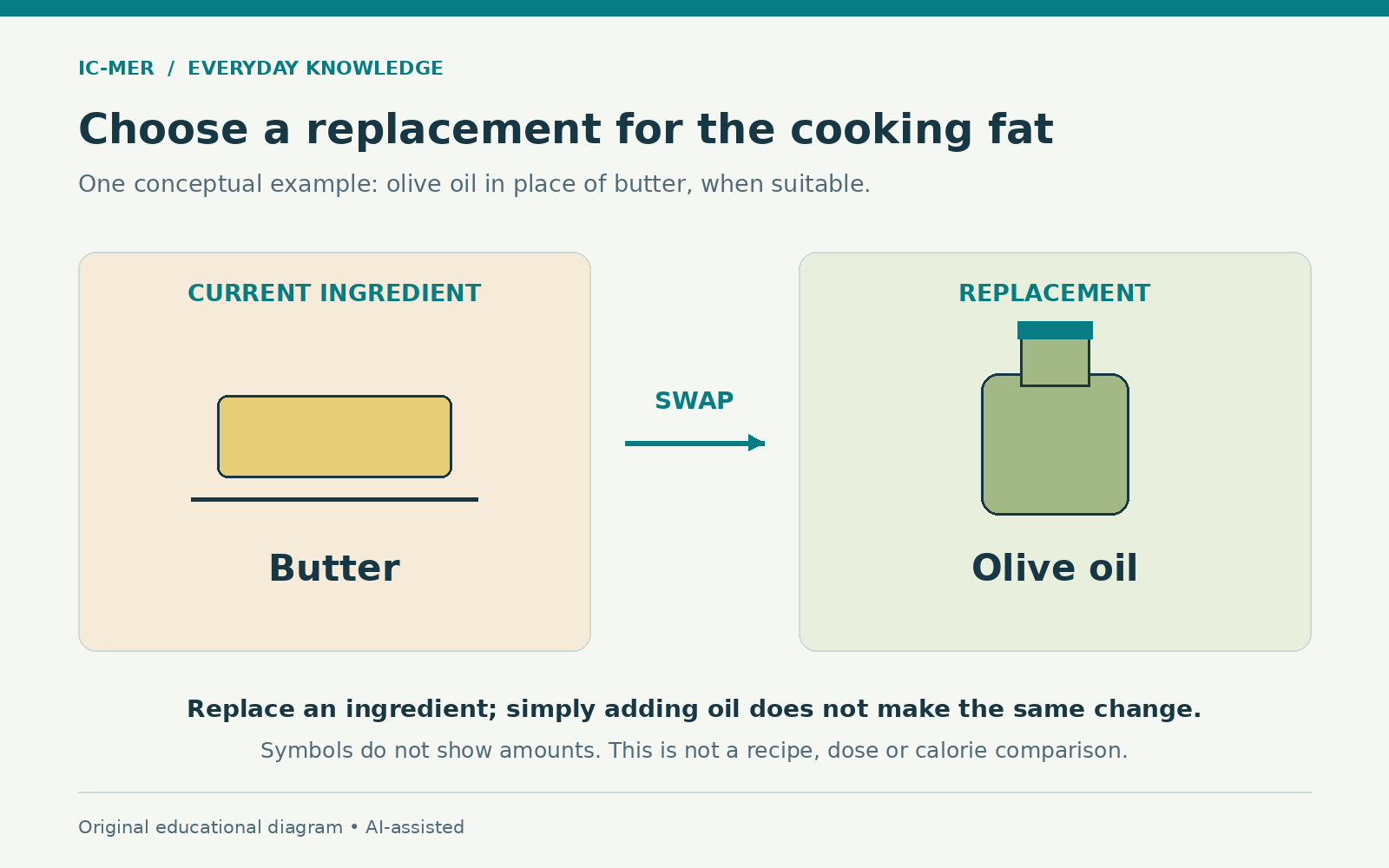
The American Heart Association advises replacing foods high in saturated fat with alternatives containing unsaturated fat. Its guidance links saturated fat with higher LDL cholesterol. A useful meal change therefore asks what will come out as well as what will go in. Adding olive oil to a meal that already contains the same amount of butter is not the same substitution.
The illustration uses butter and olive oil to show that relationship. It is symbolic: it does not prescribe equal quantities or claim that every recipe works with a direct exchange. A vegetable dish may allow a straightforward change in cooking fat, while a pastry depends on texture and may need a different recipe. Choose a dish where the change is easy before attempting one where it is technically awkward.
Think in terms of ingredients and meals rather than a universal conversion formula. You could use a modest amount of a suitable liquid plant oil for vegetables instead of routinely finishing them with butter. Or you could plan a bean-based lunch in place of a lunch built around a fatty meat filling. The examples are options to explore, not promises of a measured change in your cholesterol.
Sources: [3]
Work through breakfast without buying a special diet
At breakfast, start with the food you already like. If you usually spread butter thickly on toast, consider whether an appropriate nut or seed butter, avocado, or another topping would make an enjoyable alternative. Check allergies, ingredients and cost. These foods are not nutritionally interchangeable, and some alternatives may also contain added sugar or salt, so compare the actual products rather than just their names.
Another route is to change the whole breakfast on some days. Oats with fruit and a small amount of an appropriate nut or seed topping might suit one person; leftover beans with toast might suit another. A shift in the meal can be easier than finding a substitute that imitates the exact taste and texture of the original. There is no requirement to eat the same breakfast every day.
Keep convenience in the decision. A breakfast that requires washing several pans may be unrealistic before an early shift. Prepare an ingredient ahead when it is practical, or keep a simple shelf-stable option available. You are designing an ordinary morning routine, not demonstrating culinary skill. If the new breakfast is unsatisfying or leaves you unable to meet your nutritional needs, change it rather than forcing it.
Reconsider the filling, sauce or finishing ingredient
For lunch, look beyond the bread. The filling, spread and accompanying foods determine much of the meal. You might use a bean filling, leftover fish or another suitable alternative on different days. Think about flavor as well as texture: herbs, a squeeze of lemon or crunchy vegetables can make a change feel like a complete lunch rather than an item with something missing.
At dinner, pick a dish that already lends itself to flexible ingredients. A vegetable-and-bean pasta can be dressed with a suitable liquid oil and herbs instead of a routine rich cream sauce. A tray of vegetables can be prepared with a different cooking fat. The point is to find a repeatable meal, not to imply that any particular plate has a known saturated-fat content without a recipe and calculation.
If you share meals, avoid turning the table into a debate about whose food is correct. Offer a practical variation, keep familiar elements, and see whether it works for the household. One person may value convenience while another cares most about texture. A small change everyone will eat can be more useful than an elaborate replacement that ends up wasted.
Use the label for a fair comparison
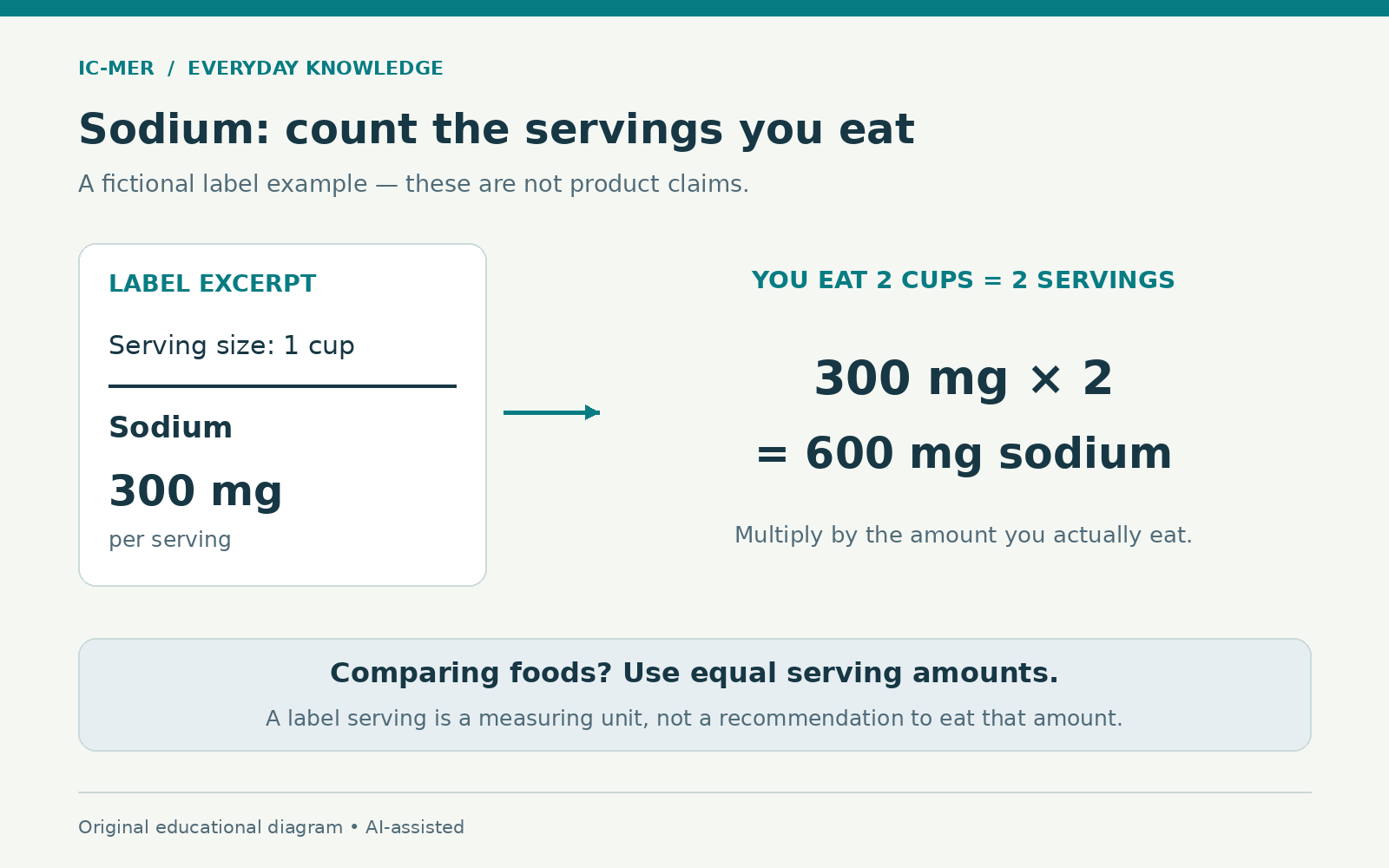
On U.S. packaged foods, check saturated fat in the Nutrition Facts panel along with the serving size. The total-fat line cannot by itself tell you how much is saturated. Compare products on the same amount, and remember that the label serving is a reference amount, not a prescription for your meal.
Imagine two fictional spreads each listing values for one tablespoon. One has 5 grams of saturated fat and the other has 2 grams. For that stated amount, the difference is 3 grams. If you use twice as much of one product, the comparison changes. This simple example illustrates arithmetic only; it does not identify a real product, an ideal portion or a predicted health effect.
Read enough of the panel to avoid trading one concern for an assumption. Consider sodium or added sugars where relevant, as well as price and ingredients. A front-of-package claim such as plant-based does not replace that check. Nor does a lower saturated-fat number establish that the product is the best choice for your entire diet or for a particular medical condition.
Sources: [4]
Buy an oil you will actually use
The American Heart Association includes liquid nontropical plant oils among its suggested fat sources. That gives shoppers more than one possible choice. You do not have to purchase the most expensive bottle or treat a particular brand as a treatment. Choose a product that fits the food you cook, your budget and the way you store ingredients.
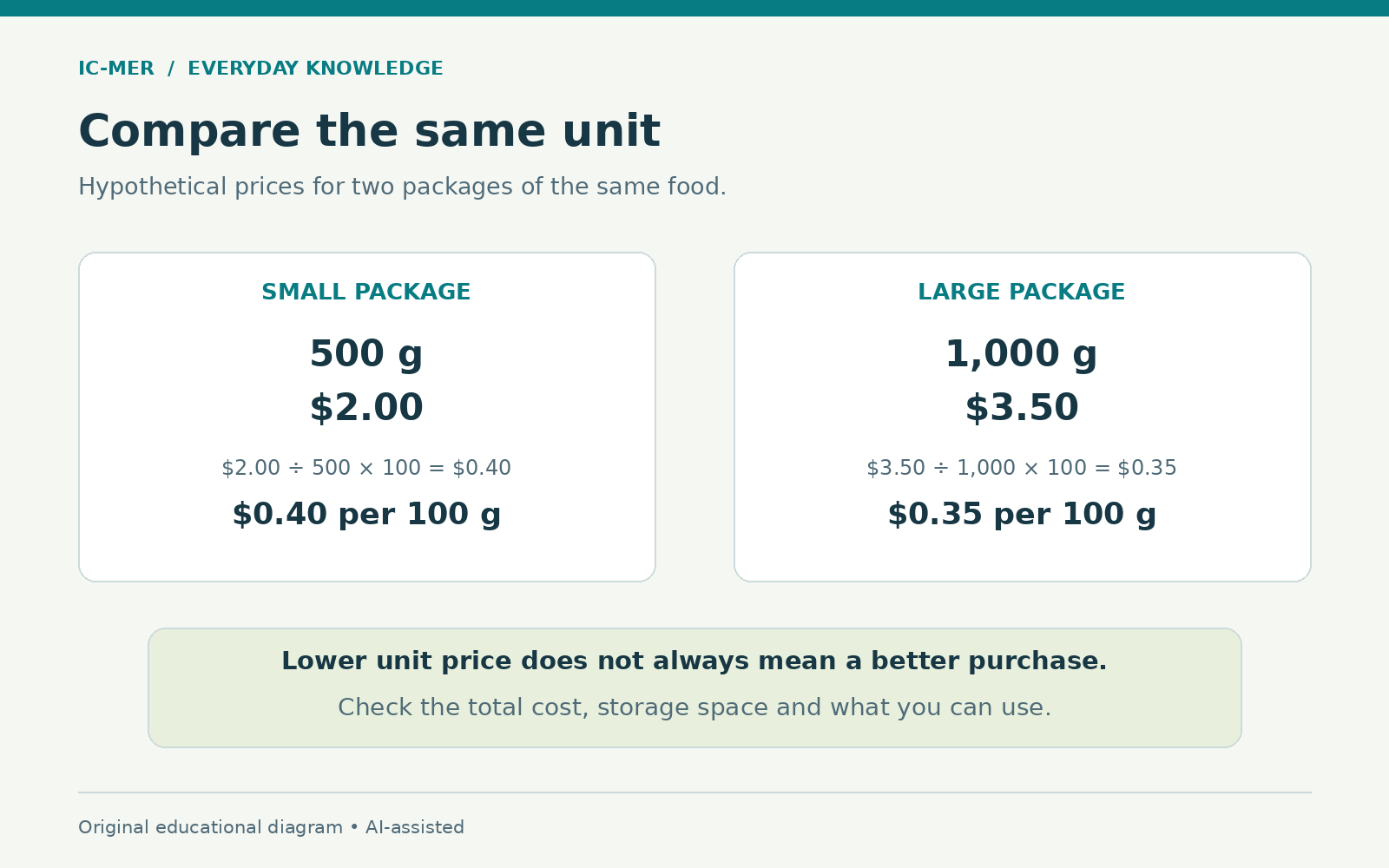
Before buying a large container, think about how often you cook and whether you enjoy its taste. A smaller bottle may fit a small household even when the larger one has a lower unit price. Read the manufacturer's storage and use instructions. Avoid buying several specialist oils because an online routine suggests you need a different one for every meal.
For cooking, use a suitable recipe and the product's instructions rather than assuming every oil works identically at every temperature. This article does not supply smoke-point tables or claim one method makes food risk-free. If a substitution spoils the texture of a favorite recipe, choose a different dish for that change; you do not have to rebuild all your cooking at once.
Sources: [1]
Include foods, not just bottles of oil
Unsaturated fats occur in whole foods as well as cooking oils. WHO lists nuts, fish and avocado among its examples. Its advice also considers the foods that replace saturated fat, including naturally fiber-containing foods such as whole grains and pulses. A meal pattern can therefore change through several ingredients together, rather than through the cooking fat alone.
On a limited budget, begin with what is available locally. A meal using beans from the pantry may be more realistic than an expensive fresh ingredient that you rarely find. Frozen or canned ingredients can be useful for planning, but compare the actual product and prepare it appropriately. None of the meal ideas here requires a premium health-food label.
Food allergies and personal tolerances matter. Do not substitute nuts simply because they appear in a healthy-eating example if they are unsafe for someone eating the meal. A suitable alternative depends on the individual's needs and the full ingredients. If several food groups are restricted, a qualified dietitian can help maintain variety and nutritional adequacy without turning every meal into guesswork.
Sources: [2]
Keep restaurants and shared occasions manageable
When eating out, choose the change that is both useful and easy to request. You might ask how a dish is prepared, request a sauce on the side, or choose a different accompaniment. Use the information the restaurant can actually provide. Do not assume a descriptive menu word gives an exact recipe or that the kitchen can safely accommodate every allergy or dietary restriction.
It is also reasonable to enjoy a particular dish and return to your usual pattern at the next meal. The everyday choices you can repeat deserve more attention than trying to make every occasion identical. Avoid compensating for a rich meal by skipping needed food or inventing a cleansing routine. A flexible plan should leave room for appetite, culture, pleasure and the realities of shared meals.
If you are hosting, build a meal around a few clearly described components so guests can make informed choices. Knowing which dish contains nuts or dairy is more useful than calling the entire meal clean or guilt-free. Keep any safety claims accurate, and ask about important dietary requirements rather than guessing what a guest can eat.
Choose one change and leave room for personal care
For the next week, choose a single recurring meal and write down the substitution you want to try. Put the necessary ingredient on the shopping list, decide when you will use it, and keep a fallback meal available. After trying it, consider taste, preparation time, cost and satisfaction. Those practical details tell you whether the change belongs in your routine.
You can add another change later if the first one works. There is no need to discard usable food, buy a supplement or promise yourself a particular laboratory result. The aim is a sustainable eating pattern with appropriate food variety. General nutrition advice cannot predict your individual response or replace an assessment of your overall cardiovascular risk.
If you have high cholesterol, a history of cardiovascular disease or a therapeutic eating plan, discuss food choices with your healthcare professional. Continue prescribed treatment unless your clinician changes it. Bring questions about actual meals and labels to the appointment; a concrete example can make the conversation more useful than asking whether all fat is good or bad.
Sources & further reading
- Fats in FoodsChecked 2026-10-22
- Healthy dietChecked 2026-10-22
- Saturated FatsChecked 2026-10-22
- How to Understand and Use the Nutrition Facts LabelChecked 2026-10-22
About this article
Prepared with AI assistance and an AI fact-checking pass against the sources listed above. No human clinical review is claimed. Evidence may change; consult appropriate qualified professionals for decisions about your circumstances.
Spotted a problem? Suggest a correction.